Introduction
So, you have actually chosen it's time to take on that sloped yard or garden location that has been offering you sorrow for months. You have actually imagined how beautiful it would be to have a well-structured keeping wall keeping back the earth and creating functional space. However you might be asking yourself: where do I even begin? Well, fret not! You're about to embark on The Step-by-Step Journey of Working with a Professional Retainer Wall Installer in Melbourne, and I'm here to guide you through it.
Building a maintaining wall can seem challenging, especially when you're thinking about alternatives like concrete sleepers, lumber sleepers, or wood sleepers. Nevertheless, with the best professional by your side, the process can be seamless and satisfying. So get a cup of coffee (or tea if that's your thing), relax, and let's dive into this amazing journey!
What is a Maintaining Wall?
Understanding Retaining Walls
A retaining wall is a structure designed to keep back soil and prevent erosion. Think of them as the unrecognized heroes of landscaping; they not just serve aesthetic purposes however likewise play important functions in managing water drainage and offering structural support.
Types of Keeping Walls
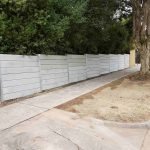
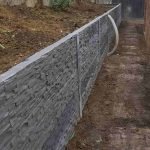
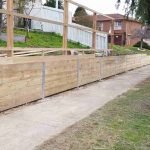
- Concrete Sleepers: These walls are long lasting and low-maintenance. Concrete deals strength and versatility. Timber Sleepers: A popular option for those desiring a more natural look. Nevertheless, they need treatment for longevity. Wood Sleepers: While visually pleasing, they might not last as long as other materials unless correctly maintained.
Why You Need an Expert Installer
Expertise Matters
While DIY jobs can be enjoyable, constructing a retaining wall isn't just about stacking blocks-- it needs technical knowledge about soil types, drainage systems, and structural integrity.
Tools of the Trade
Professional installers come geared up with specialized tools that can make the job faster and much safer. From excavation devices to compactors and levelers-- these pros have everything needed.
The Initial step: Planning Your Project
Assessing Your Needs
Before you even think about materials https://connerspecialistbaqs786.huicopper.com/how-to-choose-the-best-retaining-wall-company-in-melbourne like concrete sleeper or timber sleeper options, assess exactly what you require from your maintaining wall. Is it simply functional? Or are looks equally important?
Regulations and Permits
In Melbourne, particular guidelines may apply depending on the height and kind of keeping wall you plan to build. Checking regional standards can save you headaches down the line.
Choosing Your Materials Wisely
Concrete Sleeper vs Lumber Sleeper
Let's break down your options:
- Concrete Sleeper: Ideal for resilience; they withstand harsh weather conditions. Timber Sleeper: Uses that rustic beauty but needs more upkeep.
Cost Considerations
Price varies significantly based on material choice. Generally speaking:|Product|Cost per Meter|| ------------------|------------------|| Concrete Sleeper|$200 - $300|| Timber Sleeper|$100 - $150|| Wood Sleeper|$80 - $120|
Finding the Right Installer in Melbourne
Researching Regional Experts
Look for installers who specialize in keeping walls within your area. Ask pals or household for recommendations, or check online reviews.
Questions to Ask Potential Installers
- How long have you remained in business? Can I see examples of your previous work? What warranties do you offer?
The Step-by-Step Journey of Working with an Expert Retainer Wall Installer in Melbourne
Initial Consultation
Once you've chosen an installer, anticipate a preliminary assessment where they'll examine your website. They'll take measurements, talk about style choices, and offer insights on product options such as concrete sleepers or timber sleepers.
Design Approval
After discussing your ideas with the installer, they will offer style prepare for approval. This action is crucial because changes at this phase can conserve time (and money!) later on.
Preparing for Setup Day
Clearing the Site
Before work begins, any challenges such as plants or old structures will need removing. Your installer should handle this efficiently so that foundation can begin without delays.
Acquiring Required Permits
It's always wise to guarantee permits are in order before breaking ground to avoid fines or required changes later on.
Installation Stage: What to Expect
Excavation Work
Your installer will begin by digging out soil along the intended course of the wall. This ensures that there appertain structures put down for sturdiness.
Setting Up Drain Systems
One crucial aspect typically neglected is drain; without it, water can accumulate behind the wall resulting in structural failure over time.
Building Your Retaining Wall: The Process Unfolds
Laying Foundations
With the excavation done and drain set up, it's time for setting out concrete footings or base layers-- foundational components important for long-term stability.
Material Placement
Whether utilizing concrete sleeper panels or lumber sleepers, these materials will now be positioned according to the approved design plan-- each piece meticulously lined up!
Finishing Touches: Beautifying Your Wall
Backfilling
Once whatever's established straightly like soldiers in formation (no wobbly bits allowed), backfilling takes place where soil is added behind the wall for reinforcement.
Adding Aesthetic Features
Consider landscaping alternatives around your brand-new wall! Plants like creeping vines or flowering shrubs can develop gorgeous visuals while softening its appearance against stark lines.
FAQ Section
1. Just how much does it cost to install a maintaining wall?
Expenses differ commonly based upon size and materials utilized but usually range from $80 to $300 per meter depending on whether you select concrete sleepers or wood sleepers.
2. The length of time does it require to construct a retaining wall?
The majority of setups take anywhere from one day to a number of days depending upon intricacy-- but anticipate around 3-5 days for basic projects!
3. Do I need licenses for my maintaining wall installation?
Yes! Constantly check local policies as lots of areas need permits specifically if walls surpass specific heights (usually around 1 meter).
4. Are timber sleeper walls durable?
They can be durable if dealt with appropriately; however, remember that exposure might lead them prone in time compared with concrete alternatives which tend last longer under numerous conditions!
5. What upkeep is needed after installation?
Regular checks are essential-- keep an eye out for signs of rot if utilizing wood items like timber/wood sleep walls; guarantee correct drainage is working too!
6. Can I install my own maintaining wall?
Conclusion
And there we have it-- the total roadmap outlining The Step-by-Step Journey of Working with a Professional Retainer Wall Installer in Melbourne Whether going with strong concrete sleeper walls or charming timber choices-- this guide sets you up perfectly to make informed decisions every step along the way!
Remember: investing time in advance settles significantly when taking pleasure in an outside space created perfect! So do not be reluctant; reach out today! Happy building!